
Cloud & MSP Solutions
Top 5 Security Trends from RSA 2025: Insights from EchoStor Technologies
May 15, 2025

The RSA Security Conference is the industry’s premier event, shaping the cybersecurity conversation for the coming year. At EchoStor Technologies, we’ve been following the major conversations closely. As Cloud Security Architect here, I wanted to share the five trends that stood out most—and what they could mean for the way organizations approach security in 2025.
1. Generative and Augmented AI in Cybersecurity
Generative and Agentic AI have moved beyond experimentation and are now woven into the DNA of modern security tools. We’re seeing a shift toward Agentic AI—smaller, purpose-built models that enhance real-time threat detection, analytics, and automation instead of leveraging one LLM model to accomplish multiple tasks. The flip side? Threat actors are using the same technology for phishing, malware, and social engineering. To stay ahead of the latest threats, organizations need to be able to scale and defend at the speed of AI while at the same time, they need clarity on how AI is being used internally and defend against AI-powered attacks externally. That’s why a major takeaway was the importance of having a governance strategy in place to help guide organizations’ decision making process going forward.
2. Identity-First Security Approaches
Identity is still the most common entry point for breaches, which is why so many organizations are exploring passwordless strategies and continuous authentication. From my conversations and field experience, it’s clear that Identity Threat Detection and Response (ITDR) is gaining momentum. A zero-trust mindset—where you assume compromise and validate continuously—is becoming the new normal. Identity is no longer just an access method; it’s central to risk management.
3. Security Tool Consolidation and Platformization
There was a strong push at RSA for security teams to consolidate their tooling. The days of managing 15 different point solutions are fading. The emerging model is about integrated platforms that improve visibility, reduce complexity, and accelerate response times. It’s something I’ve advocated for often with clients—simplification brings real operational value.
4. Real-Time, Context-Aware Data Security
“You can’t protect what you can’t see” was a common refrain at RSA. That message really resonated. With data now sprawling across cloud and hybrid environments, visibility isn’t optional—it’s foundational. We’re seeing growing interest in Data Security Posture Management (DSPM), and rightly so. If you don’t know where your sensitive data lives or how it’s being used, it’s nearly impossible to protect it effectively.
5. Enhanced Public-Private Collaboration
RSA also highlighted the expanding role of public-private partnerships in cybersecurity. National cybersecurity strategies, secure-by-design initiatives, and increased threat intelligence sharing are signs that security has become a boardroom and even national-level concern. The industry is shifting from reactive to proactive frameworks, and that change is long overdue.
These trends make it clear that the security landscape is evolving fast—and that staying ahead means adapting just as quickly. If you’re reassessing your strategy or just want to talk through what these shifts might mean for your environment, I’m always happy to connect.
More Insights
Company Updates
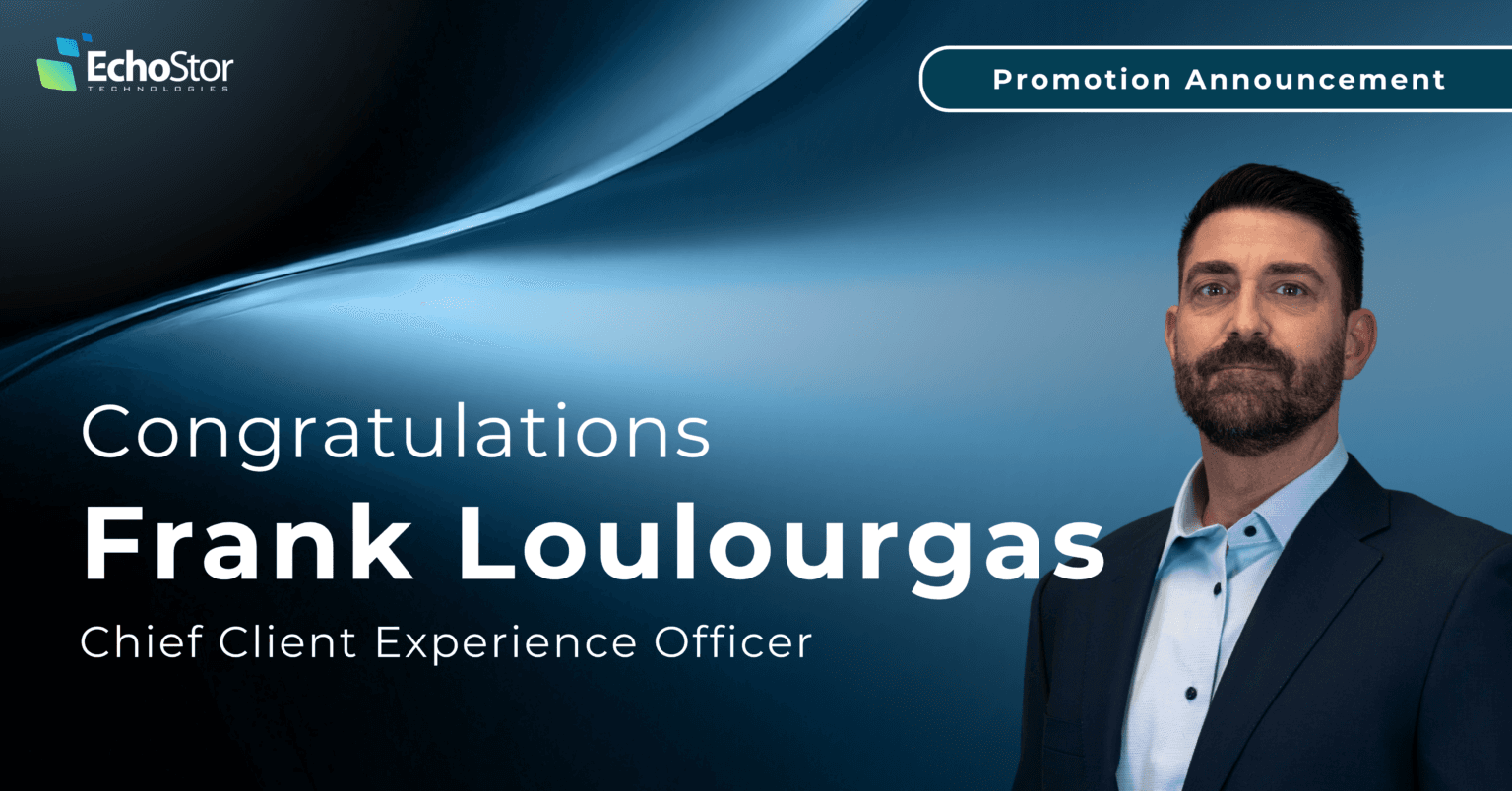
EchoStor Technologies Appoints Frank Loulourgas as Chief Client Experience Officer
August 25, 2026

Company Updates
EchoStor Technologies Named to No. 25 Spot on CRN’s Fast Growth 150 List for 2026
August 6, 2026

Company Updates
EchoStor Named a Cisco Preferred Partner for Enterprise Networking
July 10, 2026
Let's Build What's Next, Together
Whether you're modernizing infrastructure, strengthening security, or preparing for enterprise AI, EchoStor helps you turn strategy into measurable results.
Talk to an Expert